


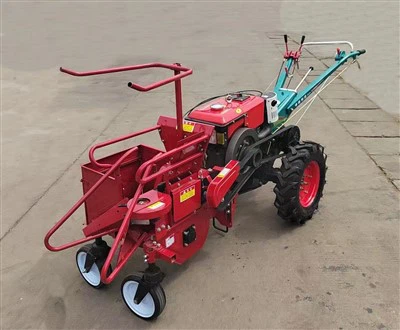
Harvester
Your Professional Harvester Supplier
Linyi Junsai Machine Trade Co,.Ltd. is located in the famous machinery industry and international trade city----- Linyi City, Shandong, China.Our company is specialized in agricultural machines(walking tractor, four wheel tractor and multifunctional farm implements), construction machine (Wheel Loader, Skid Steer Loader ),electric vehicles (electric tricycle, electric bicycle) , with many years of international experiences.



Why Choose Us
Fast Delivery
The delivery speed is fast, and the delivery will be sorted out for you as soon as the order is placed.
Good Service
Our corporation follows a policy of "innovation, standardization, integrity, service".
Quality Assurance
With our strong comprehensive strength, we will continue to provide high-tech high-quality and highPerformance of agricultural machinery and compact construction machine.
Sales Market
Most of our products are exported to international market: Asia, Australia, New Zealand, Russia, Ukraine, Moldova, Africa, the USA, South America, Canada etc.

Advantages of Harvester
Saves Time and Labor:
Manual harvesting is labor-intensive and slow. Harvesters can process large areas swiftly, reducing the time required compared to manual methods. This is especially useful during peak harvest season when labor shortages are common.
Improves Efficiency and Productivity:
Harvesters can operate consistently over large areas, improving productivity. They help ensure timely harvesting, which is crucial to avoid weather-related damage.
Reduces Crop Loss:
Manual cutting often causes grain loss during handling. Machines like combine harvesters reduce spillage, improper cutting, and damage to crops.
Supports Large-Scale Farming:
On large-scale farms, manual harvesting becomes unmanageable. Machines handle large areas quickly and systematically.
Reduces Dependence on Labor Availability:
During peak seasons or in remote areas, finding skilled labor is difficult. Machines offer consistent performance without relying on seasonal workers.
Specification
|
Product name |
Corn harvester |
|
|
Model |
4YD-1 |
|
|
Structure (Self-propelled) |
Picking, non-peeling, smashing |
|
|
Engine |
Model |
ZH195 |
|
Calibration power |
≥8.18kw |
|
|
Calibration rotation |
2300r/min |
|
|
Working rows |
1 row |
|
|
Work width |
500-700mm |
|
|
Min ground clearance |
70mm |
|
|
Working speed |
2km/h |
|
|
Productivity |
0.1-0.2h m2/h |
|
|
Fuel consumption |
6.5kg/h m2 |
|
|
Dimensions |
920*670*620mm |
|
|
Total Weight |
90kg |
|
|
Supporting power |
8.82kw |
|
|
Knife shaft rotation |
2200r/min |
|
|
Trial sentence |
500-700mm |
|
|
Remaining height |
20-80mm |
|
|
Harvest lines |
1 |
|
|
Number of workers |
1 |
|
|
Number of blades |
24 pcs |
|
|
Chopped length |
20-80mm |
|
|
Picking structure |
|
Recumbent |
|
Picking size |
L420mm H400mm |
|
|
Track distance |
Guide wheel |
580-680mm |
|
Drive wheel |
680-740mm |
|
|
Tire specifications |
Guide wheel |
4.10/3.5-4mm |
|
Drive wheel |
6.00-12mm |
|
Types of Harvester
Combine Harvester
The combine harvester is one of the most well-known and widely used harvesting machines. It combines several harvesting processes—reaping, threshing, and winnowing—into a single operation.
Mower/Swather
Mowers and swathers are machines used to cut grass or other crops and lay them out for drying before collection.
Sugarcane Harvester
Specialized for harvesting sugarcane, these machines can cut, strip leaves, and sometimes load the cane into trucks.
Cotton Picker/Harvester
Cotton pickers are specialized machines designed to harvest cotton from the cotton plant.
Potato Harvester
Potato harvesters are designed to dig up potatoes from the soil while minimizing damage to the tubers.
Grape Harvester
Grape harvesters can be either self-propelled machines or towed behind tractors, specifically designed for harvesting grapes.
Components of Harvester
Header:
This is the forepart of a reaper and is specially designed to cut crops. There are various types of headers and use one that best suits the type of crop. A paddy cutter will need a specific type of header in the shape of paddy stalk cutting under waterlogged conditions.
Threshing Drum:
Here, mechanical action is made for the separation of grains from the stalks.
Grain Tank:
Grains are transferred to a grain tank that can be towed to trucks or carts by the combine with a rolling action.
Straw Chopper/Spreader:
The chaff and other plant material can be chopped up and applied over the field as mulch or baled for different uses.
Maintenance of Harvester
Visual Inspection
Begin by visually scanning your harvester for any signs of wear, damage, or irregularities. Look closely for visible damage or wear on the harvester's exterior, including its body, chassis, and components. Check for leaks of oil, fuel, or hydraulic fluid, as these could indicate underlying issues that need immediate attention. Inspect belts, chains, and hoses for any signs of wear or damage, ensuring they are in proper working condition before starting the harvester.
Fluid Levels
Next, it's time to check the essential fluid levels to ensure smooth operation of your harvester. Start by checking the engine oil level and topping up if necessary to maintain optimal lubrication and engine performance. Verify the coolant level in the radiator, ensuring it's at the recommended level to prevent overheating during operation.
Air Filters
Proper airflow is crucial for maintaining engine efficiency and preventing contamination of vital components. Inspect the air filters for any dirt, debris, or signs of clogging that could restrict airflow. Clean or replace air filters as needed to ensure optimal engine performance and fuel efficiency. By keeping your air filters clean and well-maintained, you can prolong the life of your harvester's engine and reduce the risk of costly repairs.
Tires and Tracks
The condition of your harvester's tires or tracks directly impacts its stability, traction, and overall performance in the field. Inspect tires or tracks for any signs of damage, such as cuts, tears, or punctures, and address any issues promptly to prevent further damage. Ensure proper inflation of tires to maintain optimal traction and stability during operation. Additionally, check wheel lugs and track tension to ensure they are tightened to the manufacturer's specifications for safe and efficient operation.
Battery
A reliable battery is essential for starting your harvester and powering its electrical systems throughout the day. Check the battery terminals for any signs of corrosion or buildup, as these can interfere with electrical conductivity and lead to starting issues. Ensure the battery is properly charged to avoid unexpected downtime during operation. By maintaining a healthy battery, you can ensure smooth startups and uninterrupted operation of your harvester in the field.
Safety Devices
Before putting your harvester into operation, it's crucial to verify that all safety devices are in proper working order. Test all lights and warning signals to ensure they are functioning correctly, enhancing visibility and safety during operation. Check that the fire extinguisher is securely in place and fully charged, ready for any emergencies that may arise. Ensure all safety guards and shields are properly installed and secure, providing essential protection for operators and bystanders during operation.
FAQ