When it comes to purchasing a harvester, one of the most common dilemmas farmers face is choosing between a new and a refurbished harvester. As a harvester supplier, I understand the concerns and considerations that go into this decision. In this blog post, I will delve into the key differences between new and refurbished harvesters to help you make an informed choice for your farming operations.
1. Quality and Performance
New Harvesters
New harvesters are built using the latest technology and high - quality materials. They are designed to meet the most recent industry standards and often come with advanced features that enhance efficiency and productivity. For example, modern new harvesters may have improved sensors that can detect the moisture content of crops more accurately, allowing for better harvesting decisions. They also tend to have more powerful engines and advanced transmission systems, which can handle large - scale harvesting operations with ease.
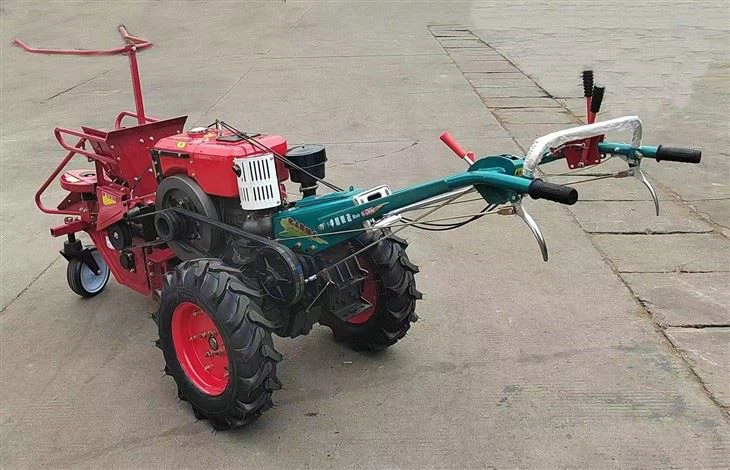
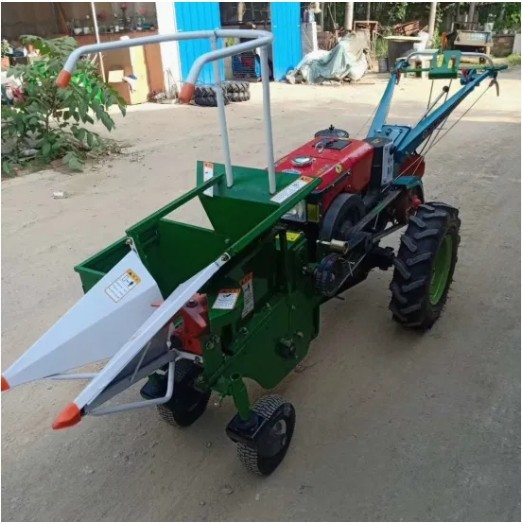
The manufacturing process of new harvesters is highly regulated, and they are subject to strict quality control checks before leaving the factory. This means that you can expect a high level of reliability and performance right from the start. For instance, a new Farm Tractor Type Front Corn Harvester is engineered to provide consistent and efficient corn harvesting, with minimal downtime due to mechanical failures.
Refurbished Harvesters
Refurbished harvesters, on the other hand, are pre - owned machines that have been restored to a working condition. While a well - refurbished harvester can offer good performance, it may not have all the latest features found in new models. The refurbishment process typically involves inspecting, repairing, and replacing worn - out parts. However, some underlying issues may still exist, especially if the original machine was poorly maintained or had significant wear and tear.
The quality of a refurbished harvester largely depends on the expertise of the refurbishing team. A professional refurbishment can bring a harvester back to near - new condition, but it may not be able to completely eliminate the effects of previous use. For example, a Front Type Corn Harvester, Single Row that has been refurbished may have a slightly reduced lifespan compared to a new one, and it may require more frequent maintenance to keep it running smoothly.
2. Cost
New Harvesters
The most obvious drawback of new harvesters is their cost. They are generally more expensive than refurbished models because of the high - end technology, new materials, and the brand - new components used in their construction. The price of a new harvester can be a significant investment for many farmers, especially those with smaller operations. However, it's important to consider the long - term benefits. New harvesters often come with warranties that can provide peace of mind and protection against unexpected repair costs.
Refurbished Harvesters
Refurbished harvesters are a more budget - friendly option. They typically cost less than new ones, making them an attractive choice for farmers who are looking to save money. The lower cost can allow farmers to purchase a larger or more feature - rich harvester within their budget. For example, a Single Row Corn Harvester that has been refurbished can offer similar functionality to a new one at a fraction of the price. However, it's crucial to factor in the potential cost of future repairs and maintenance, as these can add up over time.
3. Warranty and Support
New Harvesters
New harvesters usually come with a comprehensive warranty from the manufacturer. This warranty can cover parts and labor for a specified period, which can be a significant advantage. If something goes wrong with the harvester during the warranty period, the manufacturer will typically repair or replace the faulty parts at no cost to the farmer. Additionally, manufacturers often provide excellent customer support, including technical assistance and training. This can be invaluable, especially for farmers who are new to using a particular type of harvester.
Refurbished Harvesters
The warranty for refurbished harvesters can vary widely. Some refurbishing companies may offer a limited warranty, but it may not be as extensive as the one provided for new harvesters. The level of support also depends on the refurbishing company. A reputable refurbisher will stand behind their work and offer some form of after - sales support, but it may not be as robust as that of a major manufacturer.
4. Availability of Parts
New Harvesters
Parts for new harvesters are generally more readily available. Manufacturers have established supply chains and warehouses to ensure that replacement parts can be quickly sourced. This means that if a part on a new harvester fails, it can usually be replaced in a relatively short time, minimizing downtime. Additionally, as new models are produced, the parts are often improved and updated, which can enhance the performance and reliability of the harvester over time.
Refurbished Harvesters
Finding parts for refurbished harvesters can be more challenging, especially if the model is older or less common. Some parts may be obsolete, and it may be necessary to search for used parts or have them custom - made. This can lead to longer wait times for repairs and potentially higher costs.
5. Environmental Impact
New Harvesters
New harvesters are often designed with environmental considerations in mind. They may have more fuel - efficient engines, which can reduce emissions and operating costs. Additionally, new models may incorporate features that minimize soil compaction and damage to the environment during the harvesting process. For example, some new harvesters use advanced tire technology or track systems that distribute the weight more evenly, reducing the impact on the soil.
Refurbished Harvesters
Refurbished harvesters may not have the same level of environmental features as new ones. However, by choosing a refurbished harvester, farmers are effectively giving a second life to a machine, which can be a more sustainable option compared to discarding the old harvester and buying a new one. This can help reduce waste and the demand for new raw materials.
Making the Right Choice
The decision between a new and a refurbished harvester ultimately depends on your specific needs, budget, and farming situation. If you have the financial resources and require the latest technology and features, a new harvester may be the best choice. It offers high - quality performance, comprehensive warranties, and easy access to parts. On the other hand, if you are on a tight budget and can tolerate some potential maintenance issues, a refurbished harvester can be a cost - effective alternative.
As a harvester supplier, I am here to assist you in making the right decision. Whether you are interested in a new or refurbished harvester, I can provide you with detailed information, product demonstrations, and answer any questions you may have. If you are considering purchasing a harvester, I encourage you to reach out to me to discuss your requirements and explore the options available. We can work together to find the harvester that best suits your farming operations.
In conclusion, both new and refurbished harvesters have their own advantages and disadvantages. By carefully considering the factors mentioned above, you can make an informed decision that will benefit your farm in the long run. If you have any further questions or would like to start a purchasing discussion, please don't hesitate to get in touch.
References
- Industry reports on agricultural machinery trends.
- Interviews with farmers and experts in the field of agricultural harvesting.