Rust is a common and troublesome issue for harvesters, which can not only compromise the appearance of the equipment but also significantly reduce its performance and lifespan. As a professional harvester supplier, we understand the importance of keeping your harvester in top - notch condition. In this blog, we will share some effective ways to prevent rust on a harvester.
Understanding the Causes of Rust
Before we delve into the prevention methods, it's essential to understand what causes rust. Rust is the result of a chemical reaction known as oxidation, which occurs when iron or steel comes into contact with oxygen and moisture. Harvesters are often used in outdoor environments where they are exposed to rain, humidity, and even dew, providing the ideal conditions for rust to form. Additionally, the presence of dirt, debris, and agricultural chemicals on the harvester's surface can accelerate the rusting process.
Regular Cleaning
One of the most fundamental steps in preventing rust is regular cleaning. After each use, make sure to clean the harvester thoroughly. Use a high - pressure water hose to remove dirt, mud, and crop residues from all parts of the machine. Pay special attention to areas that are prone to collecting debris, such as the cutting blades, conveyor belts, and the undercarriage.
For stubborn stains and contaminants, you can use a mild detergent. However, be careful not to use harsh chemicals that may damage the harvester's paint or protective coatings. After cleaning, dry the harvester completely using a clean cloth or by allowing it to air - dry in a well - ventilated area. This helps to remove any remaining moisture that could lead to rust formation.
Proper Lubrication
Lubrication is another crucial aspect of rust prevention. Moving parts such as bearings, chains, and gears are particularly vulnerable to rust because they are constantly exposed to friction and may trap moisture. Apply a high - quality lubricant to these parts regularly. The lubricant forms a protective barrier between the metal surfaces and the surrounding environment, preventing oxygen and moisture from coming into contact with the metal.
When choosing a lubricant, make sure it is suitable for the specific parts of the harvester. For example, some lubricants are designed for high - temperature applications, while others are better for low - friction parts. Follow the manufacturer's recommendations regarding the type and frequency of lubrication.
Paint and Coating Maintenance
The paint and protective coatings on a harvester serve as a shield against rust. Inspect the paintwork regularly for any signs of chips, scratches, or peeling. Even small areas of exposed metal can be a starting point for rust. If you notice any damage, touch up the paint as soon as possible.
There are various types of paints and coatings available for harvesters, including epoxy and polyurethane coatings. These coatings are highly resistant to corrosion and can provide long - lasting protection. Before applying a new coat of paint, make sure to clean and prepare the surface properly. Sand the area around the damage to create a smooth surface for the paint to adhere to.
Storage Conditions
Proper storage is essential for preventing rust during periods when the harvester is not in use. Store the harvester in a dry, covered area such as a shed or a barn. If outdoor storage is unavoidable, use a waterproof cover to protect the machine from rain and snow.
It's also a good idea to elevate the harvester slightly off the ground to prevent moisture from accumulating underneath. Place the harvester on wooden blocks or a raised platform. Additionally, ensure that the storage area is well - ventilated to reduce humidity levels.
Use of Rust Inhibitors
Rust inhibitors are chemical substances that can be applied to the metal surfaces of the harvester to slow down or prevent the rusting process. There are different types of rust inhibitors, including spray - on and dip - type products.
Spray - on rust inhibitors are easy to apply and can be used on specific areas of the harvester. They form a thin film on the metal surface that blocks oxygen and moisture. Dip - type rust inhibitors are typically used for smaller parts that can be submerged in a container filled with the inhibitor. These inhibitors provide more comprehensive protection but may require more time and effort to apply.
Regular Inspections
Conduct regular inspections of the harvester to detect any early signs of rust. Check all parts of the machine, including the frame, engine, and hydraulic systems. Look for discoloration, pitting, or flaking of the metal. If you find any rust spots, address them immediately.
Small rust spots can often be removed using a wire brush or sandpaper. After removing the rust, clean the area thoroughly and apply a rust - resistant primer and paint. For more severe rust damage, it may be necessary to replace the affected parts to prevent the spread of rust to other areas of the harvester.
Training and Education
As a harvester supplier, we not only provide high - quality equipment but also offer training and education to our customers. We believe that informed users are better able to maintain their harvesters and prevent rust. We offer workshops and online resources that cover topics such as harvester maintenance, rust prevention, and troubleshooting.
By attending these training sessions, customers can learn the best practices for operating and maintaining their harvesters, which ultimately helps to extend the lifespan of the equipment and reduce the risk of rust.
Our Harvester Range
We are proud to offer a wide range of harvesters to meet the diverse needs of our customers. Our Front Type Corn Harvester, Single Row is perfect for small - scale farmers. It is easy to operate and highly efficient, allowing you to harvest corn quickly and effectively.

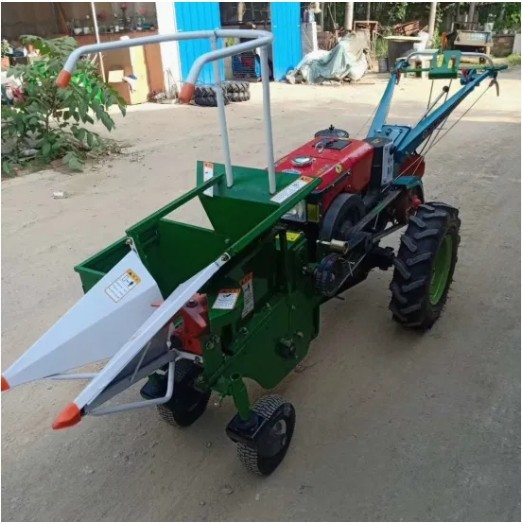
For those who prefer a front - walking tractor - type harvester, our Front Walking Tractor Corn Harvester is an excellent choice. It is designed to work in conjunction with a walking tractor, providing maximum flexibility and maneuverability in the field.
If you need a more powerful and versatile harvester, our Farm Tractor Type Front Corn Harvester is the ideal solution. It can be attached to a farm tractor, allowing for large - scale corn harvesting operations.
Conclusion
Preventing rust on a harvester is a multi - faceted process that requires regular maintenance, proper storage, and the use of appropriate protective measures. By following the tips outlined in this blog, you can keep your harvester in excellent condition and ensure its long - term performance.
As a leading harvester supplier, we are committed to providing our customers with the best products and support. If you are interested in purchasing a harvester or have any questions about rust prevention or harvester maintenance, please feel free to contact us for further discussion and procurement negotiation. We look forward to serving you and helping you achieve greater efficiency in your agricultural operations.
References
- "Agricultural Machinery Maintenance Manual", Various Authors
- "Corrosion Prevention in Industrial Equipment", John Smith
- Manufacturer's manuals for harvesters