In the realm of modern agriculture, the choice of farming implements plays a pivotal role in determining not only short - term productivity but also the long - term health of the soil. As a supplier of cheap single ploughs, I often find myself in discussions with farmers about the potential long - term effects of these cost - effective tools on soil fertility. This blog aims to delve into this important topic, exploring the science behind soil fertility and how cheap single ploughs fit into the equation.
Understanding Soil Fertility
Soil fertility is a complex and dynamic property that encompasses a wide range of physical, chemical, and biological characteristics. A fertile soil is one that can provide essential nutrients to plants, maintain a proper structure for root growth and water infiltration, and support a diverse community of beneficial microorganisms. Key factors influencing soil fertility include nutrient content (such as nitrogen, phosphorus, and potassium), soil pH, organic matter content, and soil texture.
How Ploughing Affects Soil Fertility
Ploughing is a fundamental agricultural practice that has been used for centuries to prepare the soil for planting. It helps to break up compacted soil, incorporate organic matter, and control weeds. However, the way ploughing is carried out can have both positive and negative impacts on soil fertility.
When a plough is used, it turns over the top layer of soil, bringing nutrients that have accumulated on the surface deeper into the soil profile. This can make these nutrients more accessible to plant roots. Additionally, ploughing can help to mix in crop residues and organic matter, which can improve soil structure and increase the water - holding capacity of the soil.
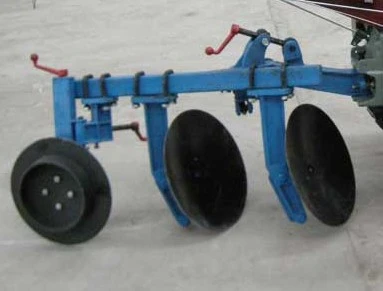

On the other hand, excessive or improper ploughing can lead to several problems. It can cause soil erosion, as the loosened soil is more vulnerable to being washed away by rain or blown away by wind. Ploughing can also disrupt the natural soil structure, leading to compaction in deeper layers over time. This compaction can reduce water infiltration and root penetration, ultimately affecting plant growth and soil fertility.
The Case of Cheap Single Ploughs
Cheap single ploughs are a popular choice among small - scale farmers and those on a tight budget. These ploughs typically have a single blade or share, which is used to cut through the soil. They are relatively simple in design and easy to operate, making them accessible to a wide range of farmers.
One of the advantages of cheap single ploughs is that they are less likely to cause excessive soil disturbance compared to larger, more powerful ploughs. Since they have only one blade, they turn over a smaller amount of soil at a time. This can be beneficial for soil fertility, as it reduces the risk of soil erosion and compaction.
However, there are also some potential drawbacks. Cheap single ploughs may not be as effective in breaking up hard or compacted soil as more expensive models. If the soil is not properly broken up, it can limit root growth and nutrient uptake by plants. Additionally, the quality of the materials used in cheap single ploughs may be lower, which could lead to quicker wear and tear. This might result in inconsistent ploughing over time, which could have a negative impact on soil fertility.
Long - Term Effects on Soil Fertility
In the long term, the use of cheap single ploughs can have a mixed impact on soil fertility. If used correctly, they can contribute to maintaining a healthy soil structure. By turning over the soil gently, they can help to incorporate organic matter and distribute nutrients more evenly. This can enhance the biological activity in the soil, as beneficial microorganisms can thrive in a well - structured soil environment.
However, if farmers rely solely on cheap single ploughs without considering other soil management practices, soil fertility may decline over time. For example, if the plough is not adjusted properly to suit the soil conditions, it may not be able to break up the soil effectively. This can lead to the formation of hardpan layers in the soil, which can impede water and root movement.
To mitigate these potential negative effects, farmers can combine the use of cheap single ploughs with other soil conservation practices. For instance, they can practice cover cropping, which involves planting crops specifically to protect and improve the soil. Cover crops can help to prevent soil erosion, add organic matter to the soil, and fix nitrogen from the atmosphere.
Another important aspect is the frequency of ploughing. Over - ploughing can be detrimental to soil fertility, regardless of the type of plough used. Farmers should assess the soil conditions regularly and determine the appropriate frequency of ploughing. Sometimes, reduced - tillage or no - tillage systems may be more beneficial for soil fertility in the long run.
Comparing with Other Plough Types
It's also worth comparing cheap single ploughs with other types of ploughs available in the market. For those looking for a more powerful option with multiple blades, the Cheaper Double Plough might be a consideration. This type of plough can cover more ground in a shorter time and is generally more effective in breaking up hard soil. However, it may also cause more soil disturbance compared to a single plough.
The Hot Sale Disc Plough is another popular choice. Disc ploughs are known for their ability to cut through tough soil and weeds. They can be particularly useful in areas with heavy vegetation or hard - packed soil. But similar to double ploughs, they can also cause significant soil turnover, which may increase the risk of soil erosion if not managed properly.
If quality is a top priority, the Good Quality Double Plough offers a balance between performance and durability. It is designed to provide consistent ploughing results and may be more suitable for long - term use in larger farms.
Conclusion
In conclusion, cheap single ploughs can have both positive and negative long - term effects on soil fertility. Their simplicity and relatively low soil - disturbing nature can be beneficial, especially when used in combination with other soil management practices. However, their limitations in terms of power and durability need to be taken into account.
As a supplier of cheap single ploughs, I understand the importance of providing farmers with the right tools and information to make informed decisions about soil management. If you are a farmer interested in learning more about our cheap single ploughs or discussing how they can fit into your soil fertility management plan, I encourage you to reach out for a procurement discussion. We are here to support you in achieving sustainable and productive agriculture.
References
- Brady, N. C., & Weil, R. R. (2008). The Nature and Properties of Soils. Pearson Prentice Hall.
- Lal, R. (2004). Soil erosion and the global carbon budget. Environment International, 30(4), 437 - 450.
- Triplett, G. B., & Dick, W. A. (2008). Conservation tillage: panacea or passing fancy? Soil Science Society of America Journal, 72(1), 1 - 12.