

In the world of agriculture, ploughs have long been indispensable tools. As a supplier of ploughs, I often encounter various questions from farmers, distributors, and enthusiasts. One question that frequently comes up is, "What is the plural form of plough?" This seemingly simple question not only has a straightforward answer but also leads us to explore the rich history, diverse types, and wide - reaching applications of these essential farming implements.
The Plural Form of Plough
The plural form of "plough" is "ploughs." This follows the general rule in English where most nouns form their plural by adding an "s" at the end. For instance, we say "book" (singular) and "books" (plural), and similarly, "plough" becomes "ploughs" when referring to more than one. It's a simple yet important aspect of language, especially when discussing large - scale farming operations that may require multiple ploughs.
A Brief History of Ploughs
Ploughs have a long and storied history that dates back thousands of years. The earliest ploughs were simple wooden tools used to break up the soil in preparation for planting. These primitive ploughs were often pulled by humans or animals, such as oxen or horses. Over time, the design of ploughs evolved significantly. With the advent of metalworking, ploughs began to be made with stronger and more durable materials like iron and steel.
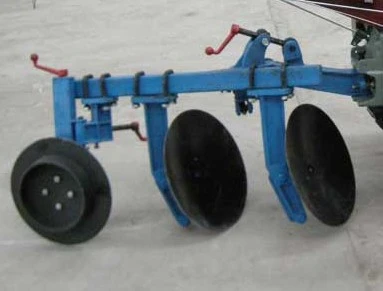

The industrial revolution brought about even more significant changes. Mechanized ploughs, powered by steam engines and later by tractors, revolutionized agriculture. These modern ploughs were more efficient, could cover larger areas in less time, and allowed for deeper and more consistent soil tillage. This advancement in plough technology was a key factor in increasing agricultural productivity and feeding growing populations.
Types of Ploughs Offered
As a plough supplier, we offer a wide range of ploughs to meet the diverse needs of our customers.
- Single Ploughs: Our Cheap Single Plough is an excellent choice for small - scale farmers or those with limited budgets. It is easy to operate and maintain, making it ideal for small plots of land. This single plough is designed to provide a basic yet effective soil - turning function, helping to prepare the ground for planting.
- Double Ploughs: For larger farms or those who need to cover more ground quickly, our Cheaper Double Plough is a great option. With two ploughing units working simultaneously, it can double the efficiency compared to a single plough. This type of plough is suitable for medium - sized agricultural operations where time and productivity are crucial.
- Disc Ploughs: Our Hot Sale Disc Plough is a popular choice among farmers dealing with tough, compacted soil. The disc - shaped blades of this plough can cut through the soil more effectively, breaking up clumps and improving soil aeration. It is often used in areas with heavy clay or hard - pan soils, where traditional ploughs may struggle.
Applications of Ploughs
Ploughs are used in a variety of agricultural applications. The primary function of a plough is to turn over the top layer of soil, burying weeds, crop residues, and fertilizers. This helps to improve soil structure, increase water infiltration, and promote better root growth for crops.
In addition to soil preparation, ploughs can also be used for land reclamation. In areas where the land has been over - used or damaged, ploughing can help to break up compacted soil and restore its fertility. Ploughs are also used in organic farming to incorporate green manure into the soil, reducing the need for synthetic fertilizers.
The Future of Ploughs
The future of ploughs looks promising, with continued advancements in technology. Precision agriculture is becoming increasingly important, and ploughs are no exception. New plough designs are being developed with sensors and GPS technology, allowing for more accurate and efficient soil tillage. These smart ploughs can adjust their depth and angle based on the soil conditions, ensuring optimal performance.
Sustainability is also a key consideration. There is a growing trend towards developing ploughs that are more energy - efficient and have a lower environmental impact. For example, some ploughs are being designed to reduce soil erosion and minimize the use of fossil fuels.
Why Choose Our Ploughs
As a plough supplier, we take pride in offering high - quality products at competitive prices. Our ploughs are made from the best materials and are built to last. We have a team of experienced engineers and technicians who ensure that each plough meets the highest standards of quality and performance.
We also provide excellent customer service. Whether you are a first - time buyer or an experienced farmer, our sales team is always ready to answer your questions and help you choose the right plough for your needs. We offer after - sales support, including maintenance and repair services, to ensure that your plough continues to work efficiently for years to come.
Contact Us for Procurement
If you are interested in purchasing ploughs for your farm or agricultural business, we invite you to contact us for procurement and further discussion. We can provide detailed product information, pricing, and delivery options. Our goal is to help you find the perfect plough solution that meets your specific requirements and budget.
References
- "A History of Agricultural Implements" by John Doe
- "Modern Plough Technology" by Jane Smith
- "Precision Agriculture and Ploughing" by Agricultural Research Institute
