

Hey there! As a plough supplier, I've always been fascinated by the historical significance of this incredible farming tool. The plough isn't just a piece of equipment; it's a symbol of human progress, a game - changer in the history of agriculture. Let's dig deep into its story.
The Dawn of the Plough
The plough's history dates back thousands of years. In ancient times, humans were mainly hunter - gatherers. But as populations grew, there was a need for a more reliable food source. That's when the idea of agriculture started to take root. The earliest ploughs were simple, made from sticks or branches. They were used to scratch the surface of the soil, making it easier to plant seeds.
These early ploughs were pulled by humans. Can you imagine how tough that must have been? People would have to use all their strength to drag the plough through the ground. But it was a huge step forward. It allowed for more efficient planting, which in turn led to larger harvests. With more food, communities could grow, and people could focus on other things like building shelters and developing tools.
The Impact on Civilization
As time went on, plough technology improved. Animals like oxen and horses were harnessed to pull the ploughs. This was a game - changer. Animals were much stronger than humans, and they could cover more ground in less time. With the help of animals, farmers could till larger areas of land, which meant more food production.
This increase in food production had a domino effect on civilization. It led to the growth of cities. People no longer had to spend all their time farming. Some could become artisans, creating beautiful pottery, jewelry, and tools. Others could focus on trade, exchanging goods between different communities. The plough, in a way, was the foundation upon which early civilizations were built.
The Plough and Social Structure
The plough also had a significant impact on social structure. In many early societies, those who owned the land and the ploughs held more power. The ability to produce large amounts of food gave them influence over others. This led to the development of a hierarchical social structure, with landowners at the top and laborers at the bottom.
However, the plough also provided opportunities for social mobility in some cases. Skilled farmers who knew how to use the plough effectively could increase their yields and gain more wealth. They might be able to buy their own land and ploughs, moving up in the social hierarchy.

Technological Advancements
Over the centuries, the plough has seen many technological advancements. The invention of the iron ploughshare was a major milestone. Iron was stronger and more durable than wood, which meant the plough could cut through tougher soil more easily. This allowed farmers to cultivate land that was previously considered too difficult to work.
Later on, the development of the moldboard plough was another significant step. The moldboard was designed to turn over the soil, burying weeds and crop residues. This improved soil fertility and reduced the need for manual weeding. It was a more efficient way of farming, and it further increased agricultural productivity.
The Plough in Modern Times
Even in modern times, the plough remains an essential tool in agriculture. Today, we have a wide variety of ploughs available, each designed for specific purposes. Whether you're a small - scale farmer or a large - scale agricultural business, there's a plough that can meet your needs.
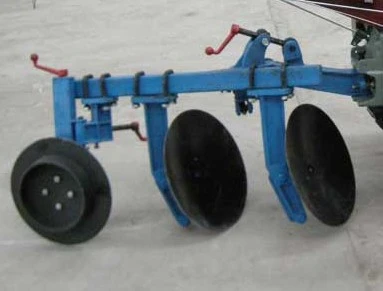
For those on a budget, we offer Cheap Single Plough. It's a great option for small farms or gardeners. If you need more power and efficiency, our Cheaper Double Plough might be the right choice. And if you're looking for a high - performance plough, our Hot Sale Disc Plough is a top - seller.
The Future of the Plough
The future of the plough looks bright. With the advancement of technology, we're seeing the development of more efficient and environmentally friendly ploughs. For example, some ploughs are now being designed to minimize soil disturbance, which helps to preserve soil health and reduce erosion.
As a plough supplier, I'm excited to be a part of this evolution. We're constantly looking for ways to improve our products and meet the changing needs of farmers. Whether it's through better materials, more ergonomic designs, or advanced features, we're committed to providing the best ploughs on the market.
Why Choose Our Ploughs?
When you choose our ploughs, you're not just getting a piece of equipment. You're getting a piece of history, a tool that has been refined over thousands of years to help you grow your crops more effectively. Our ploughs are made with high - quality materials and are built to last. We also offer excellent customer service, so if you have any questions or need support, we're here for you.
Let's Talk Business
If you're in the market for a plough, I'd love to have a chat with you. Whether you're a new farmer just starting out or an experienced agricultural professional looking to upgrade your equipment, we can find the right plough for you. We can discuss your specific needs, budget, and the type of land you'll be working on. So, don't hesitate to reach out and let's start a conversation about how our ploughs can help you achieve your farming goals.
References
- Diamond, Jared. Guns, Germs, and Steel: The Fates of Human Societies. W. W. Norton & Company, 1997.
- Postgate, J. N. Early Mesopotamia: Society and Economy at the Dawn of History. Routledge, 1992.
- Wilkinson, Tony J. Archaeological Landscapes of the Near East. Equinox Publishing, 2003.


