Hey there, fellow farmers and agricultural enthusiasts! I'm a supplier of harvesters, and today I want to chat about the difference between manual and automatic harvester control systems. It's a topic that's super important when you're in the market for a new harvester, so let's dive right in.
Manual Harvester Control Systems
First off, let's talk about manual control systems. You know, the good old - fashioned way of operating a harvester. With a manual system, you're in the driver's seat, quite literally. You have to adjust every single aspect of the harvester's operation yourself.
When you're using a manual harvester, you need to keep a close eye on things like the speed of the harvesting mechanism, the height of the cutting blades, and the flow of the harvested crops into the storage area. It's like being the conductor of an orchestra, making sure all the instruments are playing in harmony.
One of the big advantages of a manual control system is the level of control you have. You can make instant adjustments based on what you see in the field. For example, if you notice that the corn stalks are a bit thicker in one area, you can slow down the harvester and increase the power to the cutting blades. It gives you a hands - on approach to farming, which many traditional farmers really appreciate.
Another plus is the simplicity. Manual systems are generally easier to understand and maintain. There aren't a bunch of complex electronics or software that can break down. If something goes wrong, you can usually figure out what it is and fix it with basic tools.
However, manual control systems also have their drawbacks. They can be tiring. You have to be constantly vigilant, making adjustments and monitoring the harvester's performance. This can lead to operator fatigue, especially during long harvesting seasons. Also, the precision of a manual system depends a lot on the operator's skill. A less experienced operator might not be able to get the same level of efficiency as a seasoned pro.
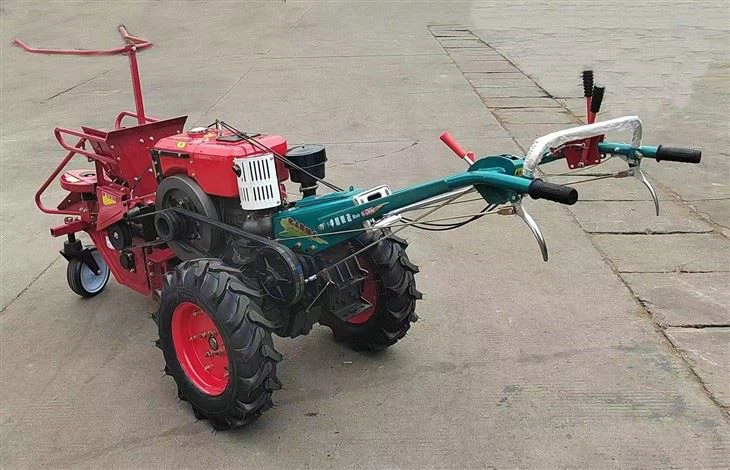
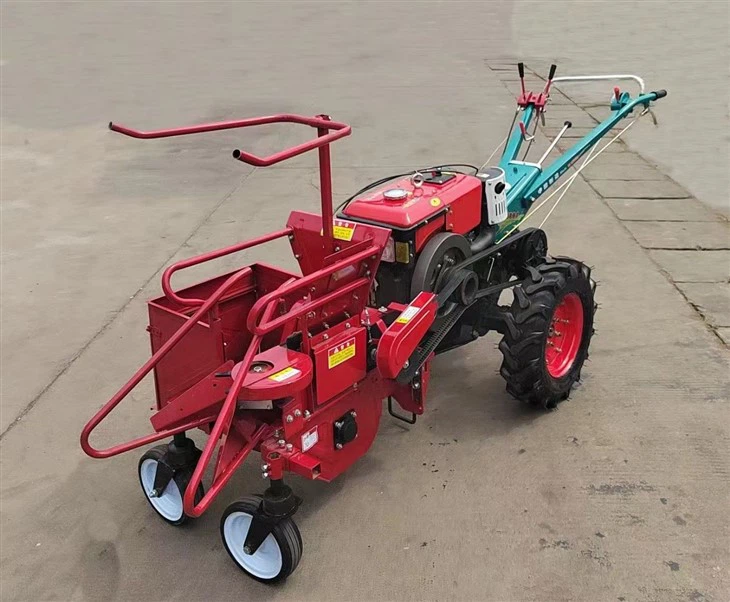
If you're interested in manual harvesters, we offer some great options like the Front Walking Tractor Corn Harvester. It's a reliable machine that gives you full control over the harvesting process.
Automatic Harvester Control Systems
Now, let's move on to automatic control systems. These are the high - tech cousins of manual systems. With an automatic harvester, a lot of the work is done for you by a computer - based control unit.
The beauty of an automatic system is the precision and consistency it offers. The control unit can adjust the harvester's settings based on pre - programmed parameters. For example, it can maintain a constant speed, adjust the cutting height according to the terrain, and ensure that the harvested crops are evenly distributed in the storage area. This means that you get a more uniform harvest, which can be a big plus when it comes to selling your crops.
Automatic systems also reduce operator fatigue. Since the machine is doing most of the work, the operator can focus on other tasks, like monitoring the overall progress of the harvesting operation. This can increase productivity, as the operator can cover more ground in less time.
Another advantage is the ability to integrate with other farm management systems. You can connect the harvester to a GPS system, for example, which allows you to map out the field and optimize the harvesting route. This can save time and fuel, making your operation more cost - effective.
But, like everything else, automatic control systems aren't perfect. They are more complex and expensive. The initial investment for an automatic harvester is usually higher than for a manual one. Also, if something goes wrong with the electronics or software, it can be difficult and costly to repair. You might need to call in a specialist to fix the problem.
We have a great Power Tiller Corn Harvester with an automatic control system. It's a state - of - the - art machine that can take your harvesting to the next level.
Key Differences
Let's summarize the key differences between manual and automatic harvester control systems.
Control and Precision: Manual systems offer high - level operator control but rely on the operator's skill for precision. Automatic systems provide consistent precision through pre - programmed settings and sensors.
Operator Fatigue: Manual systems can lead to significant operator fatigue due to constant monitoring and adjustments. Automatic systems reduce fatigue as they handle many of the operational tasks.
Complexity and Maintenance: Manual systems are simpler and easier to maintain. Automatic systems are more complex, with a higher risk of electronic or software failures and a need for specialized repair.
Cost: Manual harvesters are generally less expensive to purchase and maintain. Automatic harvesters have a higher upfront cost and may require more expensive repairs.
Productivity: Automatic systems can increase productivity by optimizing operations and reducing the time spent on manual adjustments. Manual systems may have a lower productivity rate, especially for less experienced operators.
Which One is Right for You?
So, which type of control system is right for you? Well, it depends on your specific needs and circumstances.
If you're a small - scale farmer with a relatively simple operation and you like the hands - on approach, a manual harvester might be the way to go. It gives you the control you need without breaking the bank.
On the other hand, if you're a large - scale farmer looking to increase efficiency, productivity, and precision, an automatic harvester could be a better fit. It can help you manage your operation more effectively and get the most out of your harvest.
We also have the Farm Tractor Type Front Corn Harvester, which is available with both manual and automatic control options. This gives you the flexibility to choose the system that suits you best.
Contact Us for Purchase and Consultation
If you're interested in learning more about our harvesters or have any questions about manual or automatic control systems, don't hesitate to reach out. We're here to help you make the right choice for your farm. Whether you're a newbie farmer just starting out or a seasoned pro looking to upgrade your equipment, we've got the expertise and the products to meet your needs.
References
- Agricultural Machinery Handbook, various editions
- Journal of Agricultural Engineering Research on Harvester Technology
- Reports from industry conferences on modern farming equipment