As a seasoned harvester supplier, I've witnessed firsthand the transformative impact that these machines have on the agricultural landscape. Harvesters are not just pieces of equipment; they are the backbone of modern farming, offering a multitude of advantages that significantly enhance efficiency, productivity, and profitability for farmers worldwide. In this blog post, I'll delve into the key benefits of using a harvester and explore how our products can revolutionize your farming operations.
Increased Efficiency
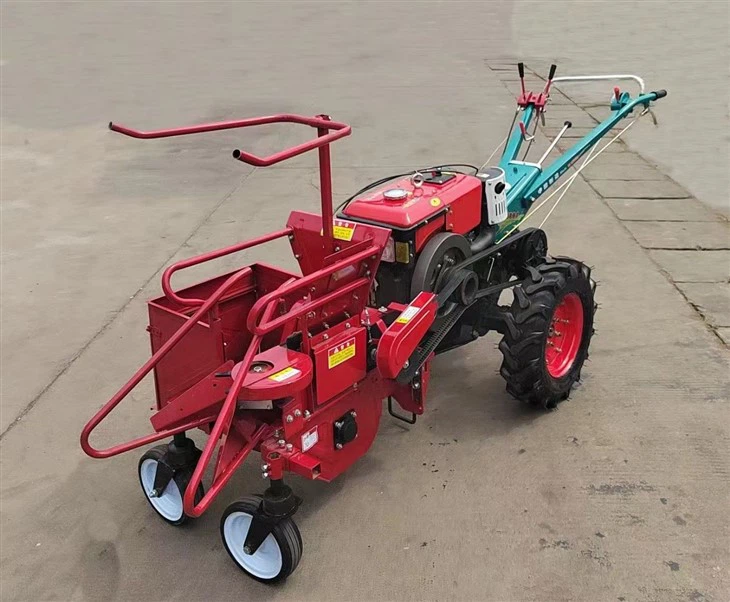
One of the primary advantages of using a harvester is the significant increase in efficiency it brings to the harvesting process. Manual harvesting is not only labor-intensive but also time-consuming. With a harvester, what would take days or even weeks to complete manually can be accomplished in a fraction of the time. Our Power Tiller Corn Harvester is a prime example of a highly efficient machine. It is designed to quickly and accurately harvest corn, allowing farmers to save valuable time and resources during the peak harvesting season.
The harvester's advanced technology enables it to operate at a consistent pace, minimizing downtime and maximizing output. For instance, the self-propelled feature of our harvesters allows them to move smoothly across the fields without the need for additional tractors or excessive manual maneuvering. This autonomous operation reduces the number of workers required and streamlines the entire harvesting process.
Higher Productivity
Efficiency directly translates into higher productivity. By reducing the time and labor required for harvesting, harvesters enable farmers to cover more ground and harvest larger quantities of crops. Our Farm Tractor Type Front Corn Harvester is specifically engineered to handle large-scale corn farming. It has a wide cutting width and a high-capacity grain tank, allowing it to harvest a substantial amount of corn in a single pass.
Moreover, the precision and consistency of harvesters ensure that the crops are harvested at the optimal time, which results in better-quality produce. This, in turn, can lead to higher market prices and increased revenue for farmers. The ability to quickly remove the harvested crops from the field also reduces the risk of crop losses due to weather conditions or pests.
Improved Quality of Harvest
Harvesters are equipped with advanced technology and precision cutting mechanisms that ensure a clean and accurate harvest. This reduces the damage to the crops during the harvesting process, resulting in a higher-quality yield. Our Front Walking Tractor Corn Harvester is designed with sharp cutting blades and adjustable harvesting heights, allowing it to harvest corn at the perfect stage of maturity while minimizing kernel damage.
In addition to reducing physical damage, harvesters also help to maintain the nutritional value of the crops. By harvesting the crops quickly and efficiently, the harvesters prevent the loss of nutrients that can occur during extended exposure to the elements. This results in healthier, more nutritious produce that is more appealing to consumers.
Cost Savings
While the initial investment in a harvester may seem significant, the long-term cost savings are substantial. By reducing labor costs and increasing productivity, harvesters can pay for themselves over time. Manual harvesting requires a large number of workers, and the cost of hiring and managing them can be quite high. With a harvester, farmers can significantly reduce their labor expenses as they only need a few operators to run the machine.
Furthermore, harvesters can help to reduce waste and losses during the harvesting process. The precise cutting and handling mechanisms of the harvesters ensure that the maximum amount of the crop is harvested and stored properly. This reduces the amount of crop that is left in the field or damaged during the harvesting process, resulting in significant cost savings.
Versatility
Modern harvesters are designed to be highly versatile, capable of harvesting a wide variety of crops. Our range of harvesters can be used to harvest corn, wheat, soybeans, and other grains, making them a valuable investment for farmers who grow multiple crops. The ability to use a single machine for different crops not only saves money but also reduces the need for storing and maintaining multiple pieces of equipment.
In addition to being able to harvest different crops, some harvesters can also be fitted with different attachments to perform additional tasks. For example, some harvesters can be equipped with a threshing unit to separate the grain from the straw, or a cleaning unit to remove impurities from the harvested crop. This versatility makes the harvesters even more valuable and cost-effective for farmers.
Enhanced Safety
Harvesting can be a dangerous task, especially when done manually. Workers are exposed to various hazards, such as sharp tools, heavy machinery, and adverse weather conditions. By using a harvester, farmers can significantly reduce the risk of accidents and injuries. The harvesters are equipped with safety features such as guards, emergency stop buttons, and warning lights to ensure the safety of the operators.
Moreover, the automated operation of the harvesters reduces the need for workers to be in close proximity to the moving parts of the machine, further reducing the risk of accidents. This not only protects the workers but also ensures that the harvesting process can be carried out smoothly and efficiently.

In conclusion, the advantages of using a harvester are numerous and far-reaching. From increased efficiency and productivity to improved quality of harvest and cost savings, harvesters are an essential tool for modern farming. As a leading harvester supplier, we are committed to providing our customers with high-quality, reliable, and innovative harvesters that meet their specific needs. If you're interested in learning more about our products or discussing your harvesting requirements, we encourage you to contact us for a detailed consultation and to explore the possibilities of enhancing your farming operations with our state-of-the-art harvesters.
References
- Agricultural Machinery Handbook, various editions
- Journal of Agricultural Engineering Research
- Proceedings of the International Conference on Agricultural Machinery and Equipment