

As a walking tractor supplier, I often encounter questions from potential customers about the fuel efficiency of walking tractors. This is a crucial aspect, especially for those who rely on these machines for agricultural work where operational costs can significantly impact the bottom line. In this blog, I'll delve into the factors influencing the fuel efficiency of walking tractors and explore whether they are indeed fuel - efficient.
Understanding Walking Tractors
Before we discuss fuel efficiency, let's briefly understand what walking tractors are. A walking tractor, also known as a two - wheeled tractor, is a versatile agricultural machine. It is designed to be operated by walking behind it, and it can be equipped with various implements such as plows, tillers, and seeders. Walking tractors are popular in small - to medium - sized farms and gardens due to their compact size, maneuverability, and relatively low cost.
Factors Affecting Fuel Efficiency
Engine Size and Power
One of the primary factors influencing fuel efficiency is the engine size and power of the walking tractor. Generally, smaller engines consume less fuel than larger ones. For example, an 8hp Walking Tractor with Tiller will typically use less fuel compared to a 12hp Walking Tractor with R195n Engine. However, the choice of engine size depends on the specific tasks you need to perform. If you have heavy - duty tasks such as deep plowing in hard soil, a more powerful engine may be necessary, even though it will consume more fuel.
Load and Work Conditions
The load and work conditions also play a significant role in fuel consumption. When a walking tractor is pulling a heavy load, such as a large plow or a trailer filled with produce, the engine has to work harder, which increases fuel consumption. Similarly, working on uneven or hilly terrain requires more power and thus more fuel compared to working on flat, smooth ground. If you are using the walking tractor for light tasks like cultivating a small garden, the fuel consumption will be relatively low.
Driving Habits and Operation
The way the walking tractor is operated can also affect fuel efficiency. Just like with a car, aggressive driving, rapid acceleration, and sudden braking can increase fuel consumption. Operators should try to maintain a steady speed and avoid unnecessary idling. For example, if you need to take a short break during work, it's better to turn off the engine rather than letting it idle, as idling still consumes fuel.
Comparing Walking Tractors with Other Agricultural Machinery
When evaluating the fuel efficiency of walking tractors, it's useful to compare them with other types of agricultural machinery.
Four - wheeled Tractors
Four - wheeled tractors are generally larger and more powerful than walking tractors. While they can handle heavier loads and larger areas, they also tend to consume more fuel. Walking tractors, on the other hand, are more fuel - efficient for small - scale operations. For small farms or gardens, a walking tractor can perform the necessary tasks with less fuel consumption.
Manual Labor
In some cases, manual labor is an alternative to using a walking tractor. However, manual labor is time - consuming and less efficient for large - scale agricultural work. Walking tractors can complete tasks much faster, and even though they consume fuel, the overall productivity gain often justifies the fuel cost.
Real - World Examples of Fuel Efficiency
Let's look at some real - world examples to illustrate the fuel efficiency of walking tractors. Suppose you have a small vegetable garden of about half an acre. Using a 10hp Walking Tractor with Tiller, you can till the soil in a couple of hours. The fuel consumption for this task might be around 1 - 2 liters, depending on the soil condition. If you were to do the same task manually, it would take you an entire day or more, and you would not have the same level of tilling quality.

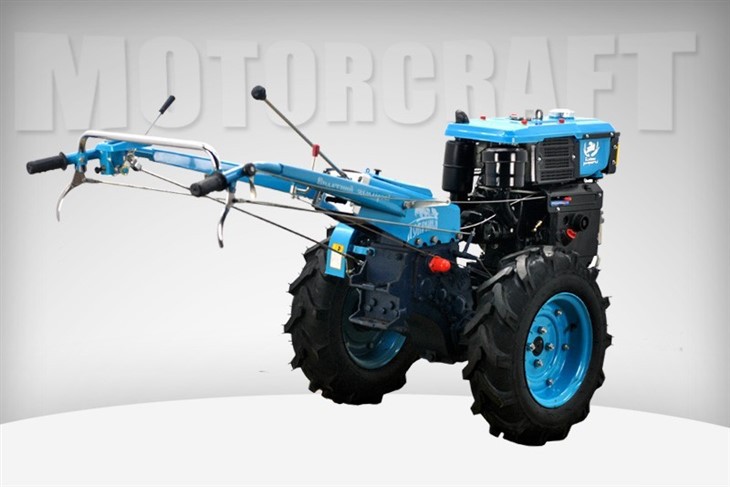
In a more commercial setting, a medium - sized farm using a walking tractor for various tasks such as plowing, seeding, and harvesting can save a significant amount of fuel compared to using a large four - wheeled tractor. The walking tractor can be used for specific tasks in different areas of the farm, and its fuel consumption can be managed more effectively.
Improving Fuel Efficiency of Walking Tractors
There are several ways to improve the fuel efficiency of walking tractors.
Regular Maintenance
Regular maintenance is crucial for ensuring optimal engine performance and fuel efficiency. This includes changing the oil and filters at the recommended intervals, checking the air intake system, and adjusting the engine valves. A well - maintained engine will run more smoothly and consume less fuel.
Use of High - Quality Fuel
Using high - quality fuel can also improve fuel efficiency. Low - quality fuel may contain impurities that can clog the fuel injectors and reduce engine performance. It's recommended to use fuel from a reliable source and to follow the manufacturer's recommendations regarding fuel type.
Proper Implement Selection
Selecting the right implements for the task can also reduce fuel consumption. For example, using a sharp and well - designed tiller will require less power from the engine compared to a dull or poorly designed one.
Conclusion
In conclusion, walking tractors can be fuel - efficient, especially when used for small - to medium - scale agricultural operations. Their fuel efficiency depends on various factors such as engine size, load, work conditions, and operation. By choosing the right engine size for your tasks, operating the tractor properly, and performing regular maintenance, you can maximize fuel efficiency and reduce operational costs.
If you are interested in learning more about our walking tractors or are considering a purchase, I encourage you to reach out for a detailed discussion. We can help you select the most suitable walking tractor for your specific needs and provide you with information on how to optimize its fuel efficiency. Let's work together to make your agricultural operations more productive and cost - effective.
References
- Agricultural Machinery Handbook, various editions
- Research papers on small - scale agricultural machinery efficiency


