Hey there! As a wheel loader supplier, I've been getting a lot of questions lately about how to make wheel loaders meet emission requirements. It's a hot topic these days, and for good reason. With stricter environmental regulations around the world, it's crucial for us in the construction equipment industry to ensure our machines are as eco - friendly as possible. In this blog, I'll share some practical tips and insights on how we can achieve this goal.
Understanding Emission Requirements
First things first, we need to know what we're up against. Emission requirements vary from country to country and region to region. They're usually set by government agencies to limit the amount of harmful pollutants that construction equipment, like wheel loaders, can release into the air. These pollutants include things like particulate matter (PM), nitrogen oxides (NOx), carbon monoxide (CO), and hydrocarbons (HC).
The main reason for these regulations is to protect the environment and human health. High levels of these pollutants can cause a range of problems, from respiratory issues to climate change. So, it's in everyone's best interest to make sure our wheel loaders are compliant.
Engine Upgrades
One of the most effective ways to make a wheel loader meet emission requirements is through engine upgrades. Modern engines are designed to be more fuel - efficient and produce fewer emissions. For example, many new engines use advanced fuel injection systems that can precisely control the amount of fuel injected into the combustion chamber. This leads to more complete combustion, which in turn reduces the production of pollutants.
Another important engine upgrade is the use of exhaust gas recirculation (EGR) systems. These systems work by redirecting a portion of the exhaust gases back into the engine's intake manifold. By doing this, the temperature of the combustion process is reduced, which helps to lower the production of NOx.
Some engines also come with diesel particulate filters (DPF). These filters trap and remove particulate matter from the exhaust gases before they are released into the atmosphere. Over time, the DPF may need to be cleaned or replaced, but it's a small price to pay for a cleaner environment.
Alternative Fuels
In addition to engine upgrades, using alternative fuels can also help a wheel loader meet emission requirements. Biodiesel is one such alternative. It's made from renewable resources like vegetable oils and animal fats, and it produces fewer emissions compared to traditional diesel fuel. Biodiesel can be used in most diesel engines with little or no modification, making it a convenient option for wheel loader owners.
Another alternative is natural gas. Compressed natural gas (CNG) and liquefied natural gas (LNG) are both cleaner - burning fuels than diesel. They produce significantly less PM, NOx, and CO. However, using natural gas requires some modifications to the wheel loader, such as installing a gas storage system and a new fuel injection system.
After - Treatment Systems
After - treatment systems play a crucial role in reducing emissions from wheel loaders. Selective catalytic reduction (SCR) is a popular after - treatment technology. It works by injecting a urea - based solution, known as diesel exhaust fluid (DEF), into the exhaust stream. The DEF reacts with the NOx in the exhaust gases, converting them into harmless nitrogen and water vapor.
SCR systems are highly effective at reducing NOx emissions, and they are becoming increasingly common in modern wheel loaders. However, they do require regular refilling of the DEF tank, so it's important for operators to keep an eye on the DEF level.
Maintenance and Monitoring
Proper maintenance is essential for ensuring that a wheel loader continues to meet emission requirements. Regular oil changes, air filter replacements, and fuel filter changes can all help to keep the engine running smoothly and efficiently. A well - maintained engine is less likely to produce excessive emissions.
Monitoring the wheel loader's performance is also important. Many modern wheel loaders come with on - board diagnostic systems that can detect issues with the engine or emission control systems. By regularly checking these diagnostic codes, operators can identify and address problems before they become major issues.
Our Product Offerings
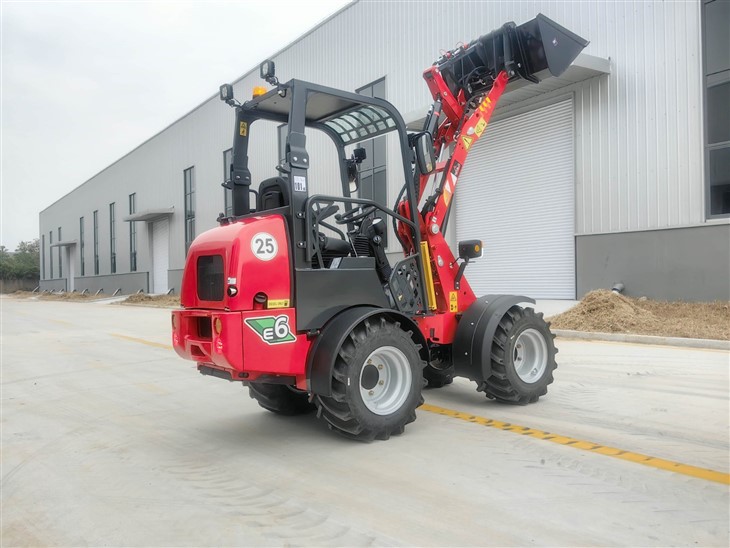
At our company, we understand the importance of meeting emission requirements. That's why we offer a range of wheel loaders that are designed to be environmentally friendly. Check out our New Products Small Wheel Loader. These loaders are equipped with the latest engine technology and emission control systems to ensure compliance with the strictest regulations.
We also have the Je615 Electric Type Small Wheel Loader. As the name suggests, it's an electric - powered wheel loader. Electric wheel loaders produce zero emissions at the point of use, making them an excellent choice for indoor or urban construction sites where air quality is a concern.
And if you're interested in other electric options, take a look at our Electric Type Small Wheel Loader. These loaders are not only eco - friendly but also offer lower operating costs and quieter operation compared to their diesel counterparts.
Conclusion
Making a wheel loader meet emission requirements is a multi - faceted challenge, but it's definitely achievable. By upgrading engines, using alternative fuels, implementing after - treatment systems, and maintaining the equipment properly, we can significantly reduce the environmental impact of our wheel loaders.

If you're in the market for a wheel loader that meets the latest emission requirements, don't hesitate to reach out. We're here to help you find the right machine for your needs. Whether you're looking for a diesel - powered loader with advanced emission control systems or an electric wheel loader for a zero - emission solution, we've got you covered. Let's work together to build a cleaner, greener future in the construction industry.
References
- Society of Automotive Engineers (SAE) standards on engine emissions.
- Environmental Protection Agency (EPA) regulations on construction equipment emissions.
- Technical manuals of major wheel loader manufacturers.