

As a supplier of 10hp walking tractors, I've received numerous inquiries about adjusting the angle of the blade attachment. This adjustment is crucial for various agricultural tasks, from tilling to leveling soil. In this blog post, I'll guide you through the process step - by - step, ensuring you can make the most of your 10hp walking tractor.

Understanding the Importance of Blade Angle Adjustment
Before we delve into the adjustment process, it's essential to understand why adjusting the blade angle matters. Different agricultural tasks require different blade angles. For instance, when tilling hard soil, a steeper blade angle can penetrate the ground more effectively, breaking up large clumps. On the other hand, for a more superficial till or soil leveling, a shallower angle is preferred. By adjusting the blade angle, you can optimize the performance of your walking tractor, saving time and energy while achieving better results.
Tools You'll Need
To adjust the blade angle of your 10hp walking tractor, you'll need a few basic tools:
- Wrenches: A set of wrenches is essential for loosening and tightening bolts. Make sure you have the right sizes that fit the bolts on your blade attachment.
- Screwdrivers: Depending on the design of your blade attachment, you may need a flat - head or Phillips - head screwdriver to remove or adjust certain components.
- Measuring Tools: A protractor or an angle gauge can be extremely helpful in accurately setting the blade angle. This ensures that you achieve the desired angle for your specific task.
Pre - adjustment Checks
Before you start adjusting the blade angle, it's important to perform some pre - adjustment checks:
- Inspect the Blade Attachment: Look for any signs of damage, such as cracks or bent blades. If you notice any issues, it's best to replace the damaged parts before proceeding with the adjustment.
- Check the Bolts and Fasteners: Ensure that all bolts and fasteners on the blade attachment are tight. Loose bolts can cause the blade to move unexpectedly during operation, which is not only dangerous but can also affect the quality of your work.
- Clean the Blade Attachment: Remove any dirt, debris, or plant material from the blade attachment. This will make it easier to access the adjustment points and ensure that the adjustment is accurate.
Step - by - Step Blade Angle Adjustment
- Locate the Adjustment Points
The adjustment points for the blade angle vary depending on the model of your 10hp walking tractor. In most cases, you'll find adjustment bolts or brackets near the blade attachment. Refer to your tractor's user manual to locate these points accurately. - Loosen the Adjustment Bolts
Use the appropriate wrench to loosen the adjustment bolts. Be careful not to remove the bolts completely, as you'll need them to secure the blade at the new angle. - Adjust the Blade Angle
Once the adjustment bolts are loose, you can start adjusting the blade angle. Use your measuring tool to set the blade to the desired angle. If you're tilling hard soil, you might want to set the blade at a steeper angle, around 45 - 60 degrees. For lighter tilling or soil leveling, a shallower angle of 20 - 30 degrees may be more suitable. - Tighten the Adjustment Bolts
After setting the blade at the desired angle, use the wrench to tighten the adjustment bolts. Make sure the bolts are tightened securely to prevent the blade from moving during operation. - Test the Blade Angle
Start your 10hp walking tractor and test the blade angle. Observe how the blade interacts with the soil. If the blade is not performing as expected, you may need to make further adjustments.
Tips for Optimal Blade Angle Adjustment
- Start with Small Adjustments: It's better to make small adjustments to the blade angle and test the performance after each adjustment. This way, you can fine - tune the angle to achieve the best results.
- Consider the Soil Type: Different soil types require different blade angles. For sandy soil, a shallower angle may be sufficient, while clay soil may need a steeper angle for effective tilling.
- Regular Maintenance: Regularly check and adjust the blade angle as needed. Over time, the blade may shift due to vibrations and normal wear and tear.
Troubleshooting Common Issues
- Blade Not Penetrating the Soil: If the blade is not penetrating the soil, it may be set at too shallow an angle. Try increasing the blade angle slightly and test again.
- Blade Digging Too Deep: On the other hand, if the blade is digging too deep, the angle may be too steep. Decrease the blade angle and check the performance.
- Uneven Tilling: Uneven tilling can be caused by an uneven blade angle. Make sure all blades are set at the same angle and that the adjustment is consistent across the attachment.
Our 10hp Walking Tractor with Tiller
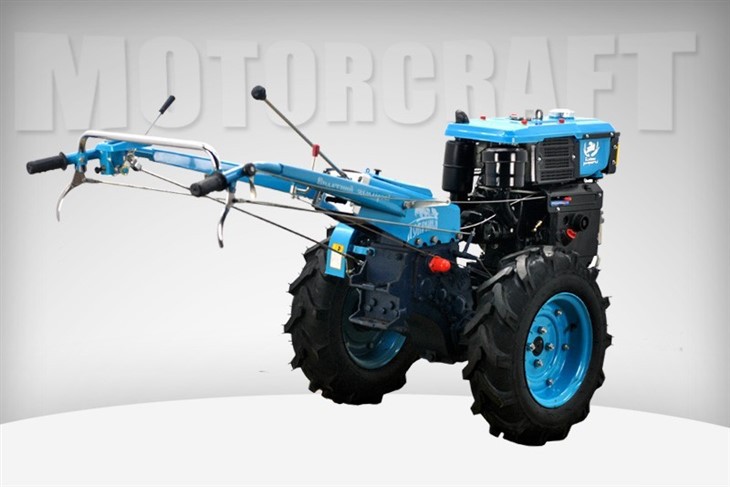
If you're in the market for a reliable 10hp walking tractor, our 10hp Walking Tractor with Tiller is an excellent choice. It comes with a high - quality blade attachment that is easy to adjust, allowing you to tackle various agricultural tasks with ease. Our tractors are built to last, with durable components and a powerful engine that ensures optimal performance.
Conclusion
Adjusting the angle of a 10hp walking tractor's blade attachment is a relatively simple process that can significantly improve the performance of your tractor. By following the steps outlined in this blog post and considering the tips provided, you can achieve the best results for your agricultural tasks. If you have any further questions or are interested in purchasing our 10hp walking tractor, please feel free to reach out. We're here to help you make the most of your farming equipment.
References
- Manufacturer's user manual for 10hp walking tractors
- Agricultural machinery textbooks on tillage and tractor operation


