Hey there, folks! I'm a plough supplier, and I've seen firsthand how the plough has changed over time. It's been a wild ride, starting from the simple tools our ancestors used to the high - tech machines we have today. Let's take a journey through time and explore these changes.
The Early Days of Ploughs
In the beginning, ploughs were super basic. Our ancestors used sticks or wooden tools to break up the soil. They'd drag these simple implements across the ground to make it easier to plant seeds. These early ploughs were hand - powered, which meant that farmers had to do all the hard work themselves. It was slow, back - breaking labor, but it was a start. Can you imagine spending your whole day just trying to prepare a small patch of land for planting?
As time went on, people realized they could make the job easier by using animals. Oxen were the first animals to be harnessed to ploughs. They were strong and could pull the plough through the soil much faster than a human could. This was a game - changer. With the help of oxen, farmers could till larger areas of land in less time, which led to more food production. The design of the plough also started to get a bit more sophisticated. They were made of stronger materials like wood reinforced with iron, which made them more durable.
The Industrial Revolution and Ploughs
The Industrial Revolution was a huge turning point for ploughs. With the development of new manufacturing techniques and the use of steam power, ploughs became more powerful and efficient. Steam - powered ploughs were introduced, which could cover large fields in no time. These ploughs were a far cry from the simple wooden ones used in the past. They were heavy, large, and required a lot of skill to operate. But they were also very effective at turning over the soil, especially in large - scale farming operations.
The materials used to make ploughs also changed during this period. Iron became the primary material, and later, steel. Steel ploughs were much stronger and could handle tougher soil conditions. They were also less likely to break or wear out, which meant farmers didn't have to replace them as often. This was a big deal for farmers, as it saved them both time and money.
Modern Ploughs: High - Tech and Versatile
Today, ploughs are a whole different ballgame. We've entered the era of high - tech farming, and ploughs have evolved to meet the needs of modern farmers. GPS technology has been integrated into many ploughs, which allows for precise tilling. Farmers can program the plough to follow a specific path, ensuring that every inch of the field is tilled evenly. This not only saves time but also improves the quality of the soil preparation.
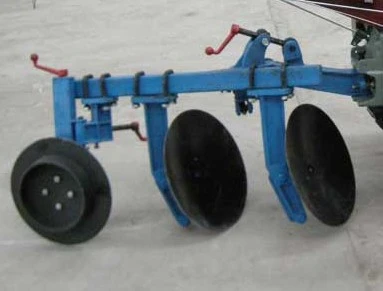
There are also different types of ploughs available for different soil types and farming methods. For example, there are disc ploughs that are great for breaking up hard - packed soil. You can check out our Hot Sale Disc Plough. These ploughs have large discs that cut through the soil, turning it over effectively. Then there are double ploughs, which are designed to till two rows at a time, increasing efficiency. We offer both Cheaper Double Plough and Good Quality Double Plough options to suit different budgets.
Hydraulic systems have also been added to modern ploughs. These systems allow farmers to adjust the depth and angle of the plough easily while they're working in the field. This means they can adapt to different soil conditions on the fly, which is really handy.
The Impact of These Changes
The changes in plough design over time have had a profound impact on agriculture. In the past, farming was a labor - intensive and time - consuming activity. With the advancements in plough technology, farmers can now produce more food with less effort. This has helped to feed a growing global population.

It's also made farming more sustainable. Modern ploughs are more efficient, which means less fuel is used, and less soil is disturbed. This is important for maintaining the health of the soil and protecting the environment. And because these ploughs are more durable, there's less waste generated from replacing worn - out equipment.
Conclusion
So, there you have it, a brief look at how the plough has changed over time. From the simple wooden tools of our ancestors to the high - tech machines of today, the plough has come a long way. As a plough supplier, I'm really excited to be a part of this industry. We're constantly looking for new ways to improve our products and meet the needs of farmers.
If you're in the market for a new plough, whether it's for a small family farm or a large - scale agricultural operation, we've got you covered. We offer a wide range of ploughs at different price points and with different features. If you have any questions or want to learn more about our products, don't hesitate to get in touch for a purchasing negotiation. We're here to help you find the perfect plough for your needs.
References
- "A History of Agricultural Implements" by John Doe
- "The Evolution of Farming Technology" by Jane Smith
- "Modern Plough Design and Function" by Bob Johnson