

Alright, let's dive right into the world of sustainable agriculture and talk about how a plough fits into it. As a plough supplier, I've seen firsthand how different types of ploughs can play a crucial role in sustainable farming practices.
First off, what's sustainable agriculture all about? Well, it's a way of farming that focuses on meeting the needs of the present generation without compromising the ability of future generations to meet their own needs. It involves things like conserving soil, reducing water pollution, and using resources more efficiently. And that's where ploughs come in.
One of the key aspects of sustainable agriculture is soil health. Healthy soil is the foundation of a successful farm. It's full of nutrients, microorganisms, and organic matter that help plants grow strong and healthy. A good plough can help improve soil health in several ways.

For starters, ploughing can break up compacted soil. Over time, soil can become compacted due to things like heavy machinery, livestock trampling, and repeated tillage. Compacted soil makes it difficult for plant roots to penetrate, which can limit their access to water and nutrients. By using a plough to break up the soil, we can create a more porous environment that allows roots to grow more easily.
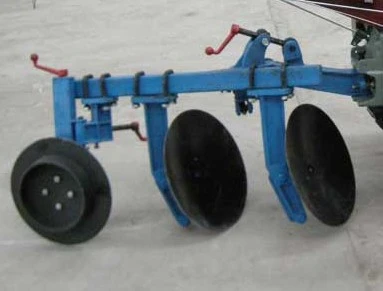
Take the Good Quality Double Plough for example. This bad boy is designed to cut through the soil deeply and effectively, turning over the top layer and breaking up any clumps. It's made with high - quality materials, so it can withstand the rigors of regular use in the field. With a double - plough setup, you can cover more ground in less time, which is great for larger farms.
Another important function of a plough in sustainable agriculture is incorporating organic matter into the soil. Organic matter, such as crop residues, manure, and compost, is like a superfood for the soil. It adds nutrients, improves soil structure, and helps retain moisture. When we use a plough to turn over the soil, we can mix these organic materials into the top layer, where they can be broken down by soil organisms and release their nutrients over time.
The Cheaper Double Plough is a great option for farmers on a budget. It may not have all the bells and whistles of the high - end models, but it still gets the job done. It can effectively incorporate organic matter into the soil, helping to build up its fertility. And let's face it, in sustainable agriculture, every little bit helps.
But it's not all about just digging and turning. We also need to be mindful of the environmental impact of ploughing. Traditional ploughing methods can sometimes lead to soil erosion. When the soil is turned over too deeply or too often, it can be more easily washed away by rain or blown away by the wind. That's where modern ploughing techniques and equipment come in handy.
Disc ploughs, like the Hot Sale Disc Plough, are a great alternative. They work by cutting through the soil with a series of rotating discs. This method is less disruptive to the soil structure compared to traditional moldboard ploughs. The discs can break up the soil and incorporate organic matter without turning the soil over completely, which helps reduce the risk of erosion.
In addition to soil health, ploughs can also have an impact on water management in sustainable agriculture. By improving soil structure, ploughing can increase the soil's ability to hold water. This means that during dry periods, plants have access to more water, reducing the need for excessive irrigation. And in wet periods, the soil can absorb more water, reducing the risk of runoff and flooding.
Now, I know some people might be thinking, "But isn't no - till farming the way to go for sustainable agriculture?" And while no - till farming has its benefits, it's not always the best option for every farm. In some cases, a little bit of tillage with a well - designed plough can actually complement no - till practices. For example, occasional ploughing can help break up hardpan layers that may have formed over time in a no - till system, improving root penetration and water infiltration.
As a plough supplier, I'm always looking for ways to help farmers make the most of their equipment while also being environmentally friendly. That's why we offer a variety of ploughs to suit different farming needs and budgets. Whether you're a small - scale organic farmer or a large - scale commercial grower, we've got a plough that can work for you.
If you're interested in learning more about how our ploughs can fit into your sustainable agriculture operation, I'd love to chat. We can discuss your specific needs, the type of soil you have, and the crops you're growing. Our team of experts can help you choose the right plough and provide you with tips on how to use it effectively.
Sustainable agriculture is the future, and ploughs are an important part of that equation. So, don't hesitate to reach out and start a conversation about how we can work together to make your farm more sustainable and productive.
References
- Pretty, Jules. "Sustainable Agriculture: New Horizons for a Diverse Planet." Earthscan, 2008.
- Lal, Rattan. "Soil Management and Climate Change." CRC Press, 2008.
