

Hey there! As a wheel loader supplier, I often get asked about the size of the bucket on these machines. It's a super important question because the bucket size can really impact how well a wheel loader works for different jobs. So, let's dig into it and find out how big the bucket of a wheel loader usually is.
Understanding Bucket Sizes
First off, there's no one - size - fits - all answer when it comes to wheel loader bucket sizes. They can vary a whole lot depending on the type and model of the wheel loader. Smaller wheel loaders, like the ones used in tight spaces or for light - duty tasks, usually have smaller buckets. On the other hand, large wheel loaders designed for heavy - duty construction or mining jobs have much bigger buckets.
Small Wheel Loaders
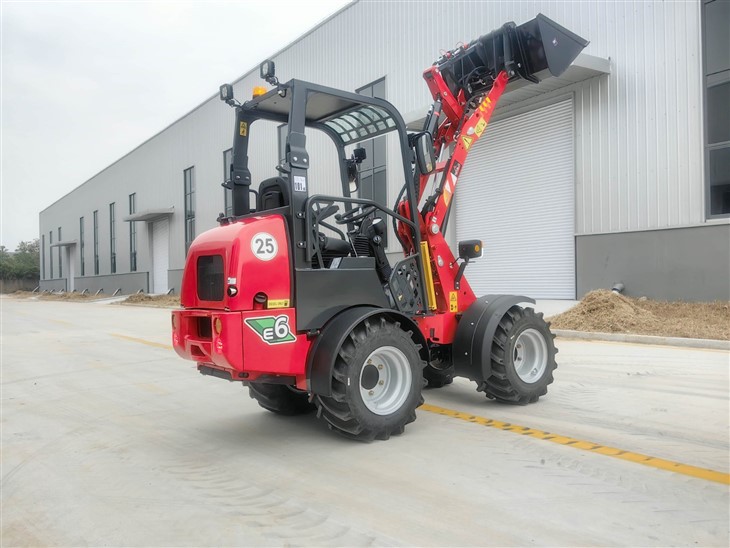
Let's start with small wheel loaders. These are great for jobs in places where space is limited, like small construction sites, landscaping projects, or even in warehouses. The buckets on small wheel loaders typically range from about 0.5 to 2 cubic meters.
For example, our Je615 Electric Type Small Wheel Loader is a popular choice for those who need a compact yet powerful machine. Its bucket size is on the smaller end of the spectrum, making it perfect for precise work. The smaller bucket allows for better control when you're scooping up materials in a confined area. You can easily maneuver around obstacles and get the job done without causing too much disruption.
Another option in our small wheel loader lineup is the Electric Type Small Wheel Loader. This machine offers a bit more versatility in terms of bucket size. You can choose a bucket that suits your specific needs, whether you're dealing with light gravel, sand, or small debris.
Medium - Sized Wheel Loaders
Moving up the scale, medium - sized wheel loaders are a workhorse in many construction and industrial settings. Their bucket sizes usually fall between 2 and 4 cubic meters. These machines are great for a wide range of tasks, from loading trucks to moving large piles of dirt or gravel.
The medium - sized buckets are a good balance between capacity and maneuverability. You can load a decent amount of material in each scoop, which helps speed up the work process. At the same time, the wheel loader is still agile enough to navigate around a typical construction site.
Large Wheel Loaders
When it comes to heavy - duty applications like mining and large - scale construction projects, large wheel loaders are the go - to. These beasts can have bucket sizes that range from 4 to 10 cubic meters or even more!
In mining operations, for instance, you need to move huge amounts of material quickly. A large - sized bucket on a wheel loader can scoop up tons of ore or rock in one go. This significantly increases productivity and reduces the time it takes to load trucks or transport materials within the mine.
Our New Products Small Wheel Loader range also includes some larger models with bigger buckets. These are designed to handle the toughest jobs out there. They're built with high - quality materials and advanced technology to ensure durability and efficiency.
Factors Affecting Bucket Size Selection
Now, choosing the right bucket size isn't just about the type of job. There are a few other factors to consider too.
Material Density
The density of the material you're working with plays a big role. If you're dealing with something lightweight like sawdust, you can go for a larger bucket because it won't overload the wheel loader. But if you're moving heavy rocks or dense concrete, you might need to choose a smaller bucket to avoid overloading the machine and causing damage.
Machine Capacity
The overall capacity of the wheel loader is also important. You need to make sure that the bucket size you choose is compatible with the machine's lifting power and stability. A bucket that's too big for the wheel loader can put too much strain on the engine, hydraulics, and other components, leading to breakdowns and costly repairs.
Job Site Conditions
The conditions at the job site matter as well. If the site is rough and uneven, a smaller bucket might be better because it allows for better control and stability. On a flat and open site, you can usually get away with a larger bucket.
Conclusion
So, as you can see, the size of a wheel loader bucket can vary widely depending on the type of wheel loader and the job it's intended for. Whether you need a small bucket for precise work or a large one for heavy - duty tasks, there's a wheel loader out there for you.
If you're in the market for a wheel loader and need help choosing the right bucket size for your needs, don't hesitate to reach out. We're here to assist you in finding the perfect machine for your project. Whether it's a small - scale landscaping job or a large - scale mining operation, we've got the expertise and the products to meet your requirements. Contact us today to start the conversation about your wheel loader purchase and let's get your project moving forward!

References
- Construction Equipment Handbook
- Wheel Loader Manufacturer's Manuals
