

Weeds are a persistent problem in agriculture, competing with crops for nutrients, water, and sunlight. They can significantly reduce crop yields and quality if not properly managed. One of the traditional tools used in farming for various purposes, including potential weed control, is the plough. As a plough supplier, I've had numerous discussions with farmers about the effectiveness of ploughs in dealing with weeds. In this blog, we'll explore whether a plough truly helps in weed control.
How Ploughs Work
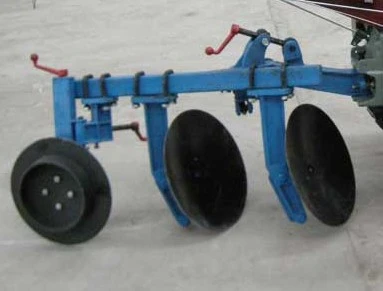
Before delving into weed control, it's essential to understand how ploughs operate. A plough is an agricultural implement used for tilling the soil. It cuts, turns over, and loosens the soil, preparing it for sowing seeds or planting. There are different types of ploughs, such as the disc plough, single plough, and double plough. Each type has its unique design and function, but they all share the common goal of soil manipulation.
The Hot Sale Disc Plough uses rotating discs to cut through the soil. These discs can break up clods and turn over the top layer of soil effectively. On the other hand, the Cheap Single Plough is a simple yet effective tool, often used in smaller fields or for more targeted tilling. The Good Quality Double Plough offers increased efficiency by tilling two furrows at once, making it suitable for larger-scale farming operations.
Mechanisms of Weed Control by Ploughs
Burial of Weeds
One of the primary ways ploughs can help control weeds is by burying them. When the plough turns over the soil, it can cover existing weeds with a layer of soil. This burial deprives the weeds of sunlight, which is essential for their photosynthesis. Without sunlight, the weeds cannot produce the energy they need to survive, and they eventually die. For annual weeds, which complete their life cycle in one growing season, this can be an effective method of control. By burying the weed seeds along with the mature plants, the plough can also prevent the seeds from germinating in the future.
Disruption of Weed Root Systems
Ploughing also disrupts the root systems of weeds. When the plough cuts through the soil, it severs the roots of weeds, making it difficult for them to absorb water and nutrients. This stress can weaken the weeds and make them more susceptible to other control methods or environmental factors. For perennial weeds, which have deep and extensive root systems, ploughing can be particularly effective in breaking up these roots and reducing their ability to spread and regrow.
Mixing of Weed Seeds
Another benefit of ploughing is the mixing of weed seeds in the soil profile. Some weed seeds require specific conditions, such as a certain depth in the soil, to germinate. By ploughing, these seeds are moved to different depths, which can disrupt their germination patterns. Some seeds may be buried too deep to receive the necessary light and oxygen for germination, while others may be brought to the surface where they are exposed to adverse conditions or predation.
Limitations of Ploughs in Weed Control
Incomplete Weed Elimination
While ploughs can be effective in reducing weed populations, they do not completely eliminate weeds. Some weeds may be missed during the ploughing process, especially if they are growing in areas that are difficult to reach or if the plough is not adjusted correctly. Additionally, some weed seeds can remain viable in the soil for many years, and ploughing may only temporarily disrupt their germination. Over time, these seeds can still germinate and become new weed problems.

Soil Erosion and Weed Spread
Excessive ploughing can lead to soil erosion, which can have negative impacts on the environment and the long - term productivity of the land. Moreover, ploughing can also spread weed seeds. If the plough is used in an area with a high weed infestation, it can carry weed seeds from one part of the field to another, potentially increasing the weed problem in other areas.
Impact on Beneficial Organisms
Ploughing can also have a negative impact on beneficial organisms in the soil, such as earthworms and other soil microorganisms. These organisms play important roles in soil health, including nutrient cycling and soil structure improvement. By disrupting their habitats through ploughing, we may indirectly affect the overall health of the soil and the ability of the ecosystem to naturally suppress weeds.
Complementary Weed Control Methods
To overcome the limitations of ploughs in weed control, it's important to use them in combination with other weed control methods.
Chemical Weed Control
Herbicides can be used in conjunction with ploughing to provide more comprehensive weed control. Pre - emergent herbicides can be applied before ploughing to prevent weed seeds from germinating, while post - emergent herbicides can be used after ploughing to target any remaining weeds. However, it's important to use herbicides responsibly to minimize their impact on the environment and human health.
Biological Weed Control
Biological control methods, such as the use of natural enemies of weeds (e.g., insects, fungi, or bacteria), can also be integrated with ploughing. These natural enemies can help reduce weed populations without the use of chemicals. For example, some insects feed on specific weed species, and releasing these insects in the field can help control the weed problem.
Cultural Weed Control
Cultural practices, such as crop rotation, proper spacing of crops, and the use of cover crops, can also complement ploughing for weed control. Crop rotation can disrupt the life cycles of weeds that are specific to certain crops, while proper spacing of crops can reduce competition from weeds by allowing the crops to grow more vigorously. Cover crops can also suppress weed growth by shading the soil and competing for resources.
Conclusion
In conclusion, a plough can be a valuable tool in weed control. It offers several mechanisms for reducing weed populations, including burial of weeds, disruption of root systems, and mixing of weed seeds. However, it also has limitations, such as incomplete weed elimination, potential for soil erosion and weed spread, and impact on beneficial organisms. To achieve effective and sustainable weed control, it's important to use ploughs in combination with other complementary methods.
As a plough supplier, I understand the importance of providing farmers with high - quality ploughs that can help them manage their weed problems. Our Hot Sale Disc Plough, Cheap Single Plough, and Good Quality Double Plough are designed to meet the diverse needs of farmers. If you're interested in learning more about our ploughs or discussing your weed control challenges, please feel free to contact us. We're here to help you find the best solutions for your farming operations.
References
- Altieri, M. A. (1995). Agroecology: The Science of Sustainable Agriculture. Westview Press.
- Buhler, D. D. (2002). Weed Seedbank Ecology. CABI Publishing.
- Lal, R. (1993). Soil Erosion and Conservation. McGraw - Hill.


