

Are there any environmental impacts of using a cheap single plough?
As a supplier of cheap single ploughs, I often get asked about the environmental implications of using these agricultural tools. In this blog post, I'll delve into the various environmental aspects associated with cheap single ploughs, exploring both the positive and negative impacts.
Positive Environmental Impacts
Soil Aeration
One of the primary benefits of using a single plough, whether cheap or otherwise, is soil aeration. When the plough cuts through the soil, it breaks up compacted layers, allowing air to penetrate deeper into the ground. This is crucial for the health of soil microorganisms, which play a vital role in nutrient cycling. Aerated soil also promotes better root growth for crops, as roots can more easily spread and access water and nutrients. According to a study by the Soil Science Society of America, well - aerated soil can enhance crop yields by up to 20% in some cases. The cheap single plough, being an accessible option for small - scale farmers, can contribute to this positive soil health improvement on a wide scale.
Weed Control
A cheap single plough can be an effective tool for mechanical weed control. By turning over the soil, it buries weed seeds and disrupts the growth of existing weeds. This reduces the need for chemical herbicides, which can have negative environmental impacts such as water pollution and harm to non - target organisms. In regions where organic farming is on the rise, the use of a single plough for weed control aligns with the principles of sustainable agriculture. For example, in some European organic farms, mechanical weed control using ploughs has become a standard practice, reducing the reliance on synthetic chemicals.
Negative Environmental Impacts
Soil Erosion
One of the major concerns associated with ploughing, including the use of a cheap single plough, is soil erosion. When the soil is turned over, it becomes more vulnerable to the forces of wind and water. The exposed topsoil, which is rich in nutrients and organic matter, can be easily washed away during heavy rainfall or blown away by strong winds. A report from the United Nations Food and Agriculture Organization (FAO) states that soil erosion is a significant global problem, and improper ploughing practices can exacerbate it. If farmers using cheap single ploughs do not implement proper soil conservation measures, such as contour ploughing or the use of cover crops, the long - term productivity of the land can be severely affected.
Loss of Soil Organic Matter
Ploughing can also lead to a loss of soil organic matter. When the soil is disturbed, the organic matter that was previously protected within the soil structure is exposed to the air. This accelerates the decomposition process, and over time, the amount of organic matter in the soil decreases. Soil organic matter is essential for maintaining soil structure, water - holding capacity, and nutrient availability. A study in the Journal of Environmental Quality found that continuous ploughing can reduce soil organic matter content by up to 30% over a period of several years. This not only affects the fertility of the soil but also its ability to sequester carbon, contributing to climate change.
Impact on Wildlife Habitat
The use of a single plough can disrupt wildlife habitats. The mechanical action of the plough destroys the nests and burrows of small animals such as rodents, insects, and amphibians. It also reduces the availability of food sources for these creatures, as the vegetation that they rely on is often uprooted. In some cases, this can lead to a decline in local wildlife populations. For example, in grassland ecosystems, the use of ploughs can fragment the habitat of ground - nesting birds, making them more vulnerable to predation.
Mitigating the Negative Impacts
Conservation Tillage
To address the issue of soil erosion and loss of organic matter, farmers can adopt conservation tillage practices when using a cheap single plough. Conservation tillage involves minimizing the amount of soil disturbance. For example, instead of full - inversion ploughing, farmers can use reduced - till or no - till methods. In reduced - till systems, the plough is used to create narrow furrows for planting, leaving most of the soil surface undisturbed. This helps to retain the soil structure and reduce erosion. No - till farming completely eliminates the use of ploughs for soil preparation, relying on other methods such as direct seeding.
Buffer Zones and Cover Crops
Planting buffer zones along the edges of fields can help to reduce soil erosion. These buffer zones, which can consist of grass or other vegetation, act as a barrier, slowing down the flow of water and trapping sediment. Cover crops, such as legumes or grasses, can be planted during the off - season. They protect the soil from erosion, add organic matter when they are incorporated into the soil, and also fix nitrogen, reducing the need for synthetic fertilizers.
Our Product Offerings
At our company, we are committed to providing high - quality Cheap Single Plough that can be used in an environmentally responsible manner. We also offer other types of ploughs, such as the Hot Sale Disc Plough and the Good Quality Double Plough, which may suit different farming needs.
Conclusion
In conclusion, the use of a cheap single plough has both positive and negative environmental impacts. While it can contribute to soil aeration and weed control, it also poses risks such as soil erosion, loss of organic matter, and habitat disruption. However, with proper management and the adoption of sustainable farming practices, these negative impacts can be mitigated. As a supplier, we encourage farmers to use our products in a way that balances agricultural productivity with environmental protection.
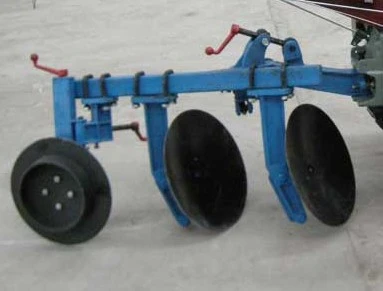

If you are interested in learning more about our plough products or have any questions regarding their environmental impact, we invite you to contact us for a procurement discussion. We are here to help you make informed decisions that benefit both your farm and the environment.
References
- Soil Science Society of America. "The Importance of Soil Aeration in Crop Production."
- United Nations Food and Agriculture Organization. "Global Assessment of Soil Erosion."
- Journal of Environmental Quality. "Impact of Ploughing on Soil Organic Matter."
- Various reports on organic farming and sustainable agriculture practices from European agricultural research institutions.
